
The Three Tenors at the 1990 World Cup in Italy: The Night Soccer Opened the Door to Opera
The final of the 1990 World Cup in Italy was played on July 8 in Rome. West Germany defeated Argentina at the Olympic Stadium. The night before, the first concert by the Three Tenors turned the famous Baths of Caracalla into the most-watched musical venue of that year. While the soccer players rested in their […]
Who was Richard Wagner?
If you're wondering, "Who was Richard Wagner?", the first thing you should know is that his art revolutionized the history of music for a variety of reasons, chief among them the invention of the concept of the leitmotif: melodic themes associated with sensations, feelings, destinies, longings, and premonitions that vary and recur throughout a work, […]
Who was Grażyna Bacewicz? The composer who transformed form into modern energy
Grażyna Bacewicz was a Polish composer, violinist, pianist, and writer. She was born in Łódź on February 5, 1909, and died in Warsaw on January 17, 1969. Form was always her focus. “In my compositions, I focus above all on form. When you’re building something, you don’t just pile a stone on top of […]
Prokofiev's Peter and the Wolf: What's it about? (according to my daughter)
Sergei Prokofiev’s *Peter and the Wolf* is a wonderful activity I share with my daughter. Once a week, before her bath time, we put on the ballet version. Sitting very still in her chair, she waits for the music to begin with a smile. It’s a sense of anticipation and joy. A routine that stimulates […]
Moby Dick, the opera by Jake Heggie
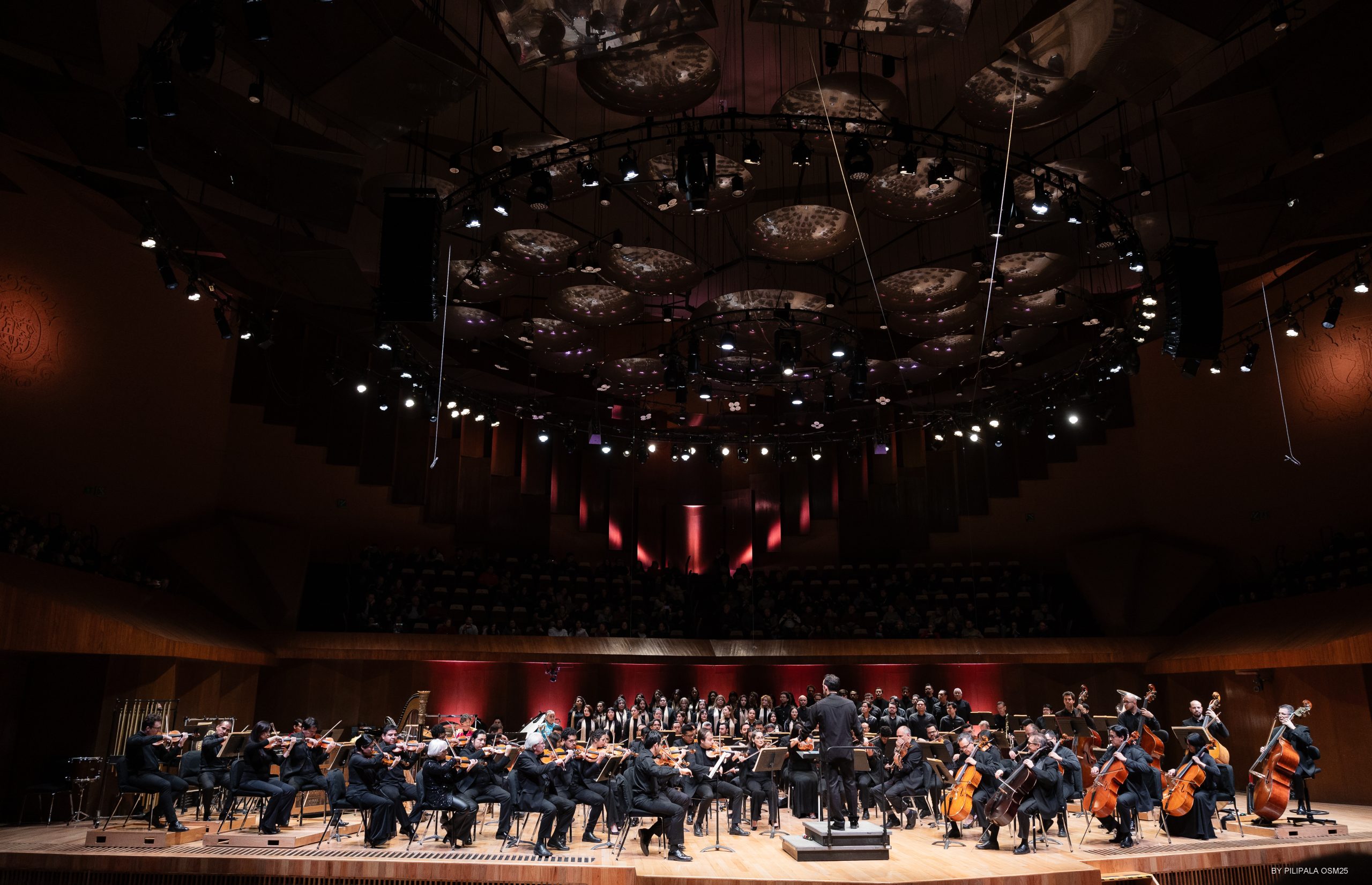
Herman Melville tells the story of Moby Dick through Ishmael’s memories. The perspective is intimate and nostalgic. Actions, emotions, and characters exist in the memory of the only man who survived a shipwreck. It is all over; it is a story with no tomorrow. And the voice is evocative and deeply tragic. The opera in […]
What does a conductor do? The example of Pierre Monteux
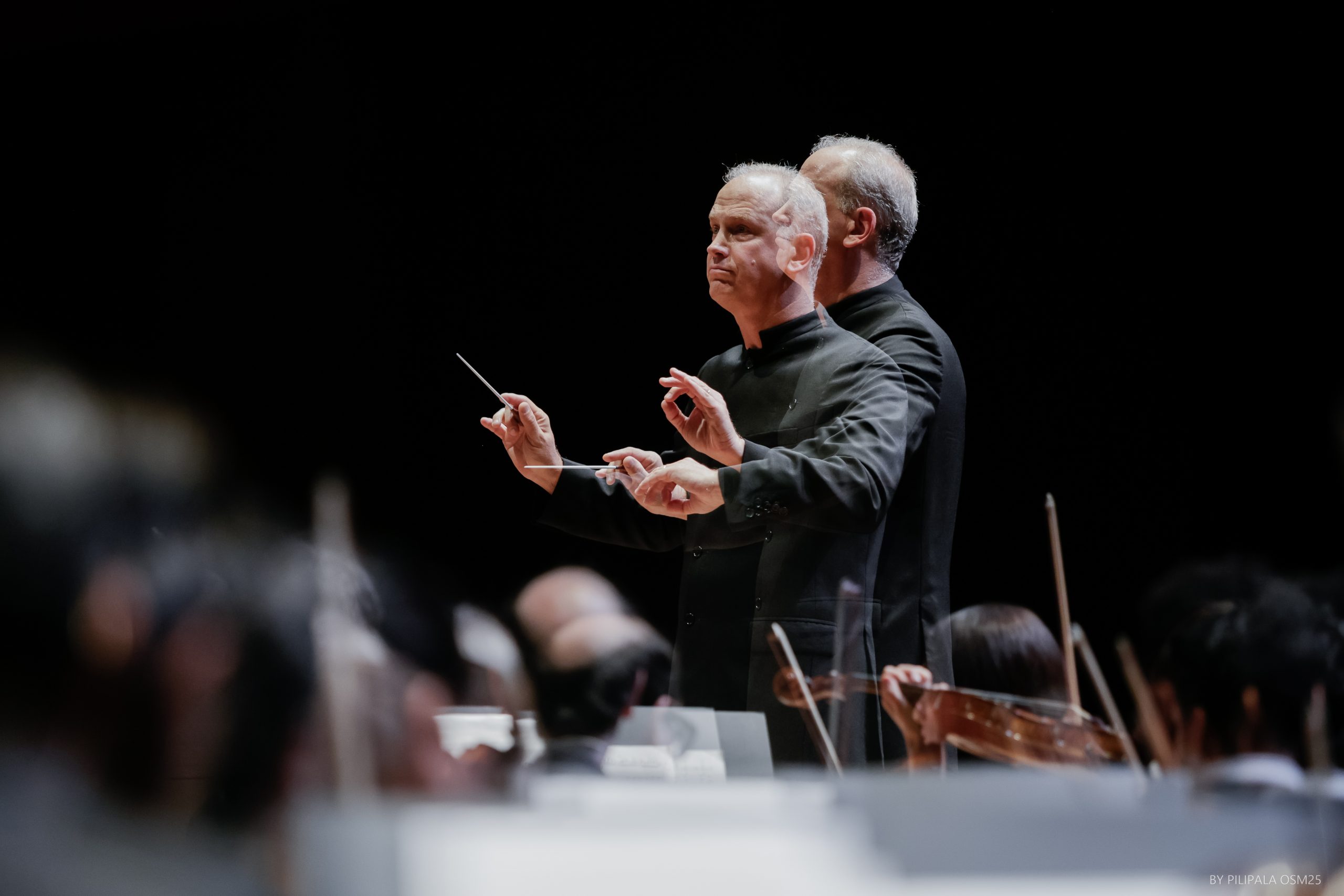
Are you wondering what an orchestra conductor does? We’re here to answer that question. If all the musicians already have their sheet music on their music stands, why do we need someone with a baton in their hand making strange gestures? Is it just for show? No. Their role has to do with the performance. That’s why […]
Who was Pierre Boulez?

When Pierre Boulez (1925–2016) died 10 years ago, I said that his music reminded me of a curmudgeon’s smile. Now, as we celebrate the 100th anniversary of his birth, the images that come to mind are less cynical. If someone were to ask me, “Who was Pierre Boulez?”, I would no longer limit myself to pointing out the destructive intent in his […]
Beyond Vivaldi: How Classical Music Has Depicted Spring
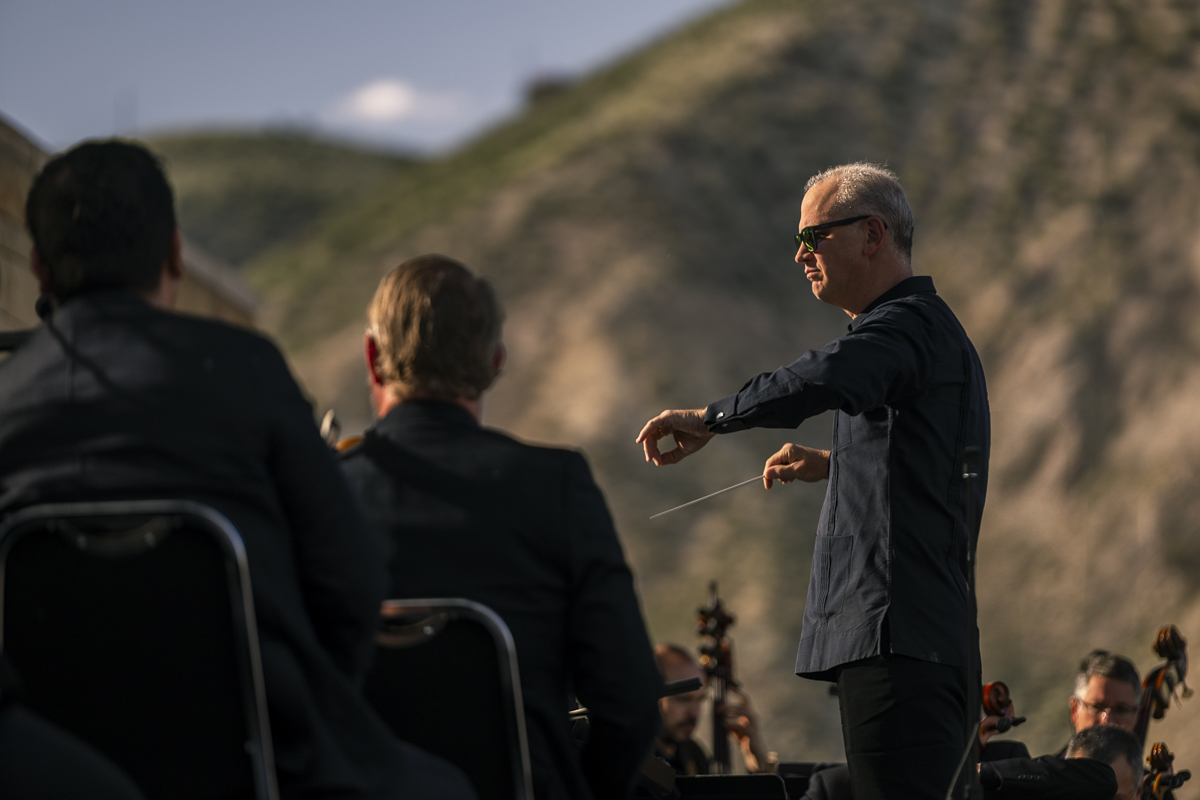
Spring is approaching in Mexico, and symphonic tradition dictates that we welcome it with Concerto No. 1, “Spring,” from Antonio Vivaldi’s (1678–1741) famous tetralogy of works for violin and orchestra known as *The Four Seasons*. However, classical music has portrayed this season in many other ways. In Benjamin Britten’s work, spring […]
The History of the Violin, or the Art of Moving Us
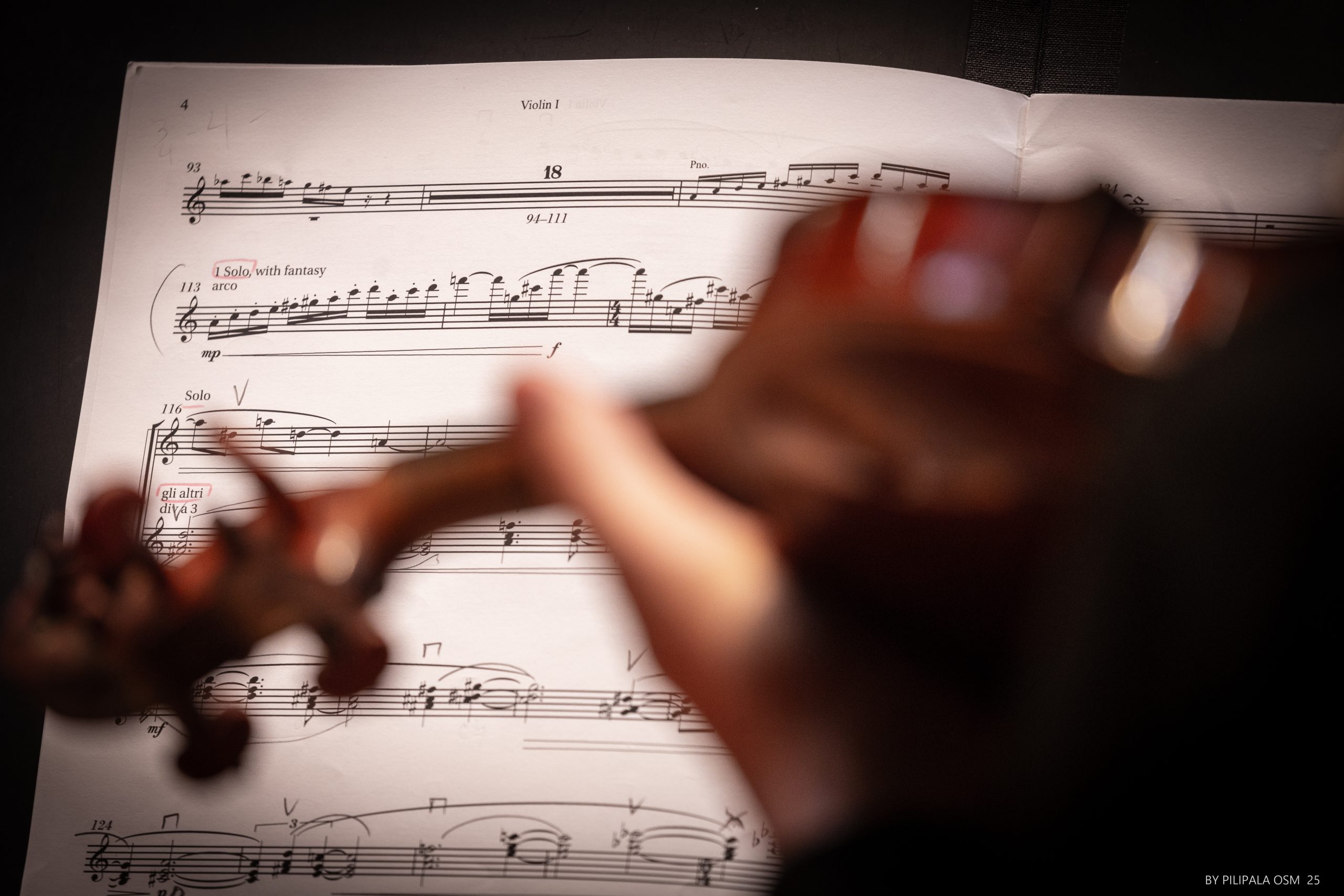
The history of the violin began in northern Italy around 1550. It is descended from the rebec, a three-stringed bowed instrument also known as the rabel, the medieval fiddle, and the lira da braccio. Its sound captivates listeners with its brilliance and expressiveness. The musical world reveres it, establishes specialized workshops to craft it, and develops varnishes to preserve it […]
Who was Ravel?
Maurice Ravel (1875–1937) fascinates us with his sophistication. How difficult it is to predict the next movement in his music. He has the power to collapse time with sound. No explosions or excesses. He is so delicate. His is a temporal disorientation of gentleness. Perhaps that is why I have always been drawn to his tragedy. I did […]
